
by
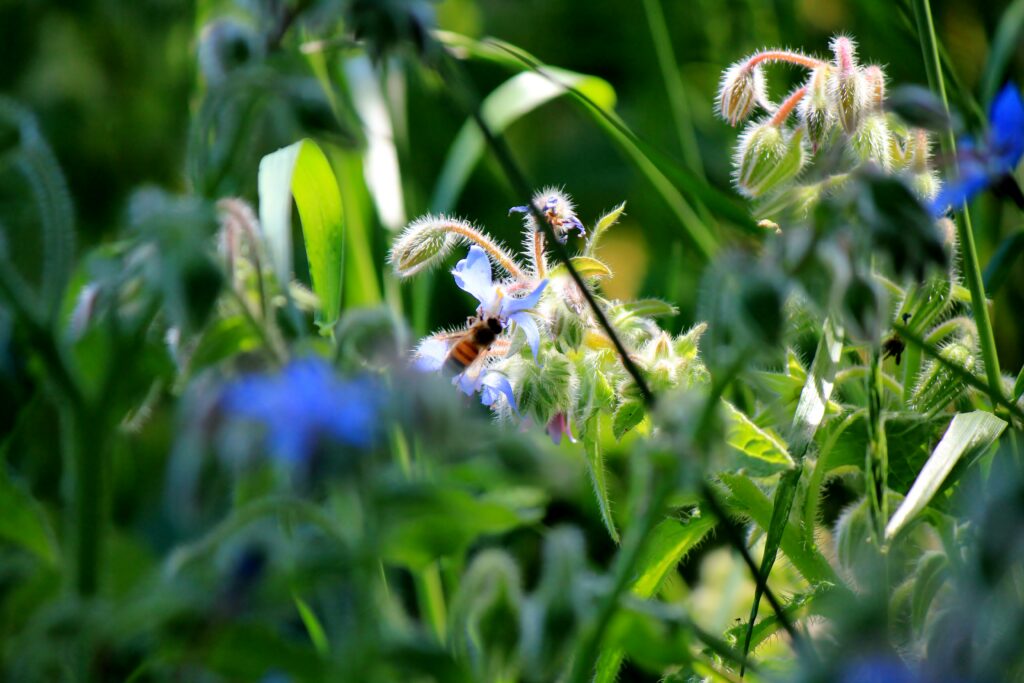
Allergic rhinitis is irritation and swelling of the lining of the nose caused by an immune response to otherwise harmless substances in the environment. Typical complaints include a runny or blocked nose, itching, congestion, and post-nasal drainage.
Unlike sinusitis, which is usually linked to infection, allergic rhinitis happens when the immune system reacts to allergens such as tree and grass pollens, dust mites, or animal dander. This reaction releases inflammatory chemicals (including histamine), which leads to swelling and irritation inside the nasal passages.
Allergic rhinitis appears in two common patterns:
Perennial – driven by indoor allergens such as dust mites, pet dander, and indoor molds, producing symptoms throughout the year.
Seasonal – triggered by outdoor allergens like tree, grass, and weed pollens, often worse in spring and fall when pollen and mold counts rise.
Common Signs and Symptoms
In addition to formal allergy testing, many people recognize allergic rhinitis by the following patterns:
- Eye irritation – itchy, watery, red, or puffy eyes
- Throat and ear discomfort – itchy throat, frequent throat clearing, cough, ear pressure, popping, or earaches
- Sleep disruption and fatigue – poor sleep and difficulty concentrating during the day
- Head and facial pressure – congestion that leads to sinus pressure or facial discomfort
- Changes in smell and taste – inflammation and blockage that dull these senses
- Shortness of breath in some individuals

Supportive Home Approaches
Although allergic rhinitis cannot always be cured, many home strategies may reduce symptom severity.
Steam Inhalation – Warm steam can calm irritated nasal passages and ease congestion. Using fresh chamomile flowers is especially effective; alternatively, adding a few drops of eucalyptus or peppermint oil may enhance the soothing effect. Inhale steam from a bowl of hot water for 10–15 minutes.

Local Raw Honey – Some people find that a daily spoonful of local honey helps the body adapt to seasonal pollens over time. Taking 1-3 Tablespoons of unfiltered honey per day has been shown to produce the best results.
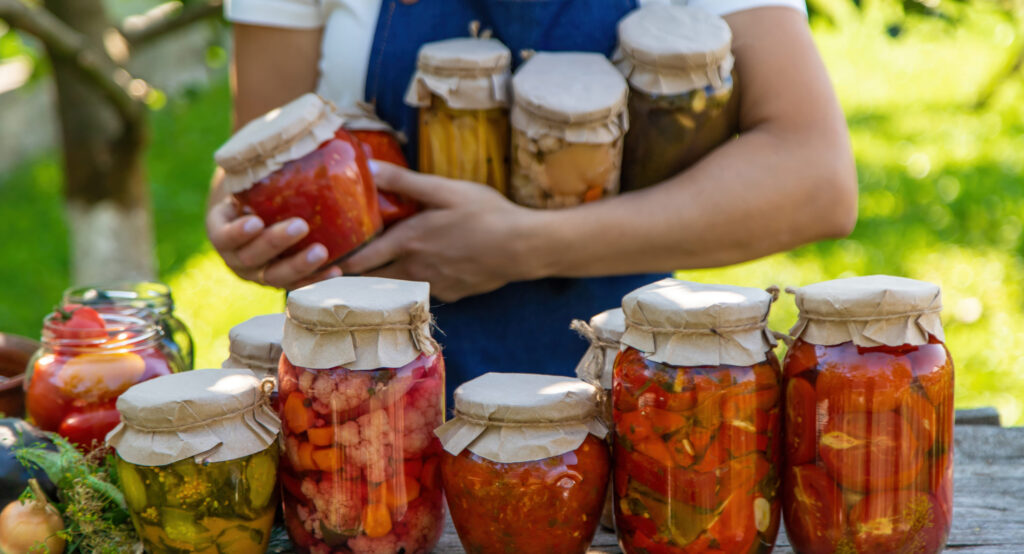
Probiotic-Rich Foods – Fermented foods such as yogurt, kefir, sauerkraut, and traditional pickles may support immune balance and reduce allergic tendencies.
Saline Nasal Rinse – Rinsing the nasal passages with a saline solution using a neti pot or squeeze bottle can flush out irritants and calm inflammation. A simple mix is ¼ teaspoon non-iodized salt in 8 ounces of warm distilled water.
Herbal Teas – Teas made from stinging nettle, yarrow, or chamomile are traditionally used to soothe inflammation related to both allergic and non-allergic rhinitis. Drinking 2–4 cups daily during allergy season may be helpful.
Reducing Exposure and Preventing Flares
Prevention focuses on limiting contact with triggers and strengthening overall health.
Limit Allergen Exposure
- Wear a mask when pollen counts are high
- Use HEPA air filtration indoors
- Wash bedding and curtains frequently
- Vacuum with a HEPA-equipped vacuum
- Keep pets out of the bedroom
- Shower and change clothes after outdoor exposure
- Rinse nasal passages before bed
Support Immune Health
- Eat a nutrient-dense diet with fruits, vegetables, and whole grains
- Exercise regularly
- Practice stress-reduction techniques such as meditation or yoga
- Prioritize consistent, restorative sleep
Nutrition Considerations
Diet can influence inflammation and symptom severity.
- Foods rich in omega-3 fatty acids (fish, flaxseed) may help calm inflammation
- Fermented foods support healthy gut and immune function
- Some individuals notice increased mucus with dairy intake
- A colorful, plant-rich diet provides antioxidants that support resilience
For individualized guidance, consult a healthcare professional to tailor treatment to your needs.
Additional reading: https://pmc.ncbi.nlm.nih.gov/articles/PMC7870997/
This post was originally published in the Spring 2026 Newsletter